
SUMMARY
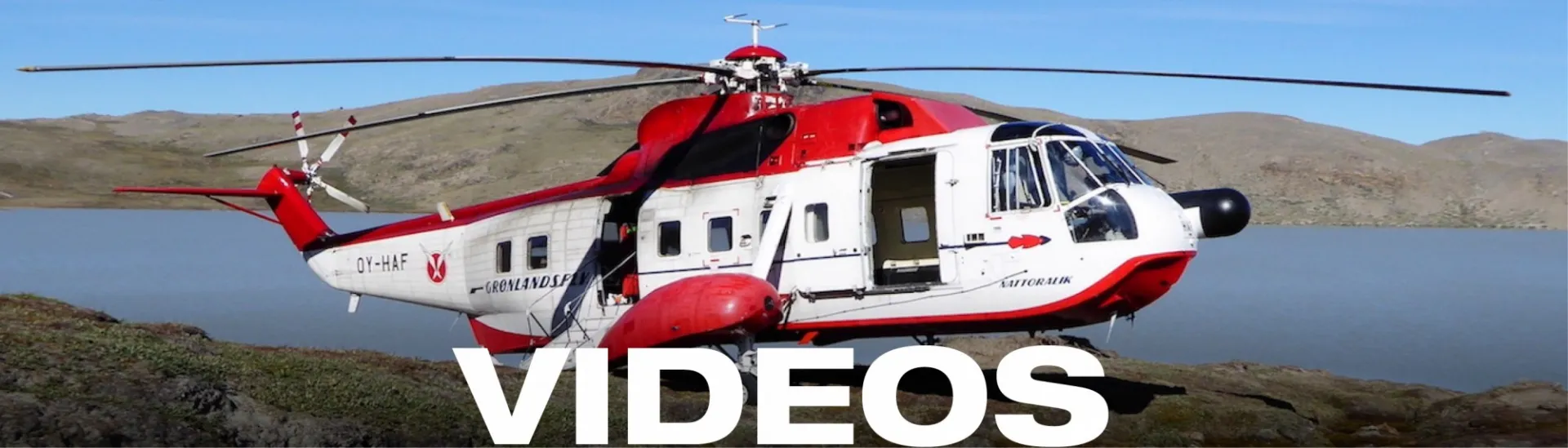
This page contains several different short videos as well as links to a larger set of project video resources. This first link is to a collection of short videos (2 min or shorter) that highlight what it is like to work in Greenland. Collected from different seasons of fieldwork they highlight different teams collecting samples from different areas of SW Greenland. These videos are a great way to get a sense of the project work, and also fit well in classrooms and outreach events when sharing the science.
New Zealand News 1 Interview Fall 2024
What's so GRate about being part of this project?
Several of our science team share their 60 second thoughts on 'What's so GRate?' about being part of this project and why they are passionate about the work that they do. Select the button above to check out our playlist of 60 second videos collected from a few of the team! In 60 seconds you can learn about:
- Liza Wilson, MS in geology U@B shares her excitement in studying processes and cycles in Earth's History.
- Olivia Truax, Post Doctoral candidate from UW focuses on paleoclimate records in both Antarctica and Greenland .
- Caleb Walcott, PhD student focuses on the past and determining what happened and when! His interest is also in increasing diversity in science.
- Katie Pellicore, graduate student at U of Montana focuses on developing improved models around climate.
- Karlee Prince, PhD student from U@B looks for evidence found naturally in Earth's landscapes to date different cycles and processes.
- Sophie Nowicki, PhD modeler at U@B focuses on modeling just the next 100 years, which is a timescale that connects with her family, her children's future, and her grandparents' past.
- Greg Hakim, PhD UW focuses on bringing together models and proxies collected through field measurements and through this merging he hopes to reduce uncertainty in the models.
- Lambert Caron, PhD from the Jet Propulsion Lab in CA who develops computer simulations of Earth's squishiness, or how the land responds once a glacier or ice sheet is removed from its surface.
The GRate project is funded under the National Science Foundation (NSF) Office of Polar Programs.